

Experience Design
Higher Education
Pro Sports
Technology
Your Collegiate Venue is Speaking? Are Your Fans Listening?
Spend any time at a college athletics facility and you will find a lot of concrete, glass, steel, and money. Programs have invested billions over the past two decades building facilities that were supposed to change everything: recruiting outcomes, donor enthusiasm, fan attendance, program culture. And yet, many of us sit inside of these venues asking the same question.
Why does it feel like nobody is home?
The buildings are impressive. The jumbotrons are massive. The club spaces are immaculate. But there is a gap between what these venues look like and what they actually do, and that gap is costing programs more than they realize.
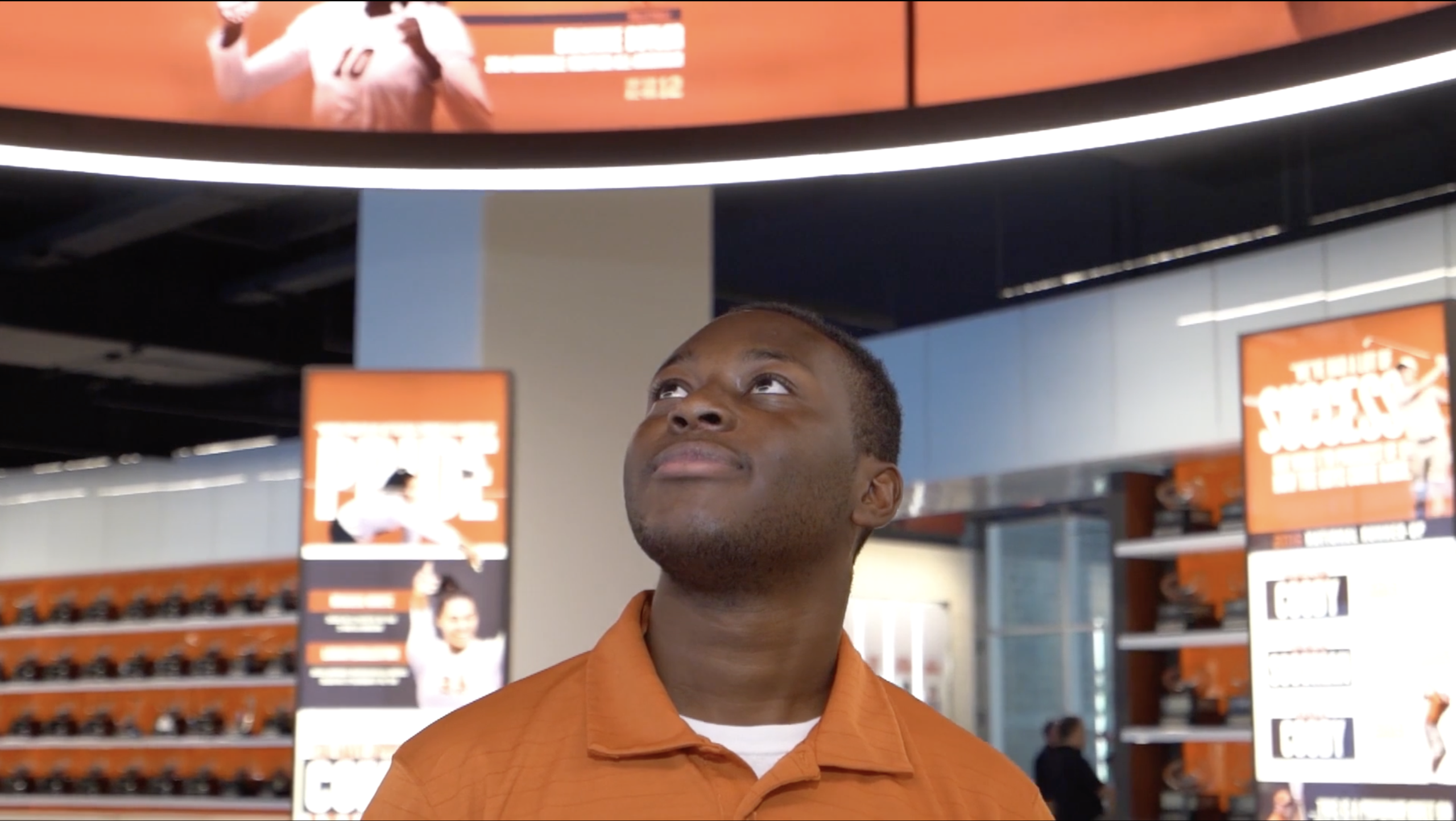
Why Construction Quality Isn’t Enough: Turning Collegiate Venues into Story-Driven Experiences
Here is the distinction I find myself making with athletic directors and facility leaders across the country: construction quality and experience quality are not the same thing. A $200 million facility is not automatically a $200 million experience. The investment in infrastructure does not transfer automatically into an investment in the audience.
Most collegiate venues today are functioning as backdrops. They are visually impressive, architecturally significant, and strategically passive. They stand there and look good. What they are not doing is working.
Every square foot of your facility is either having a conversation with the people who walk through it, or it is not. The clubs, the concourses, the recruiting suites, the entry sequences… all of it is either moving your audience toward a decision or allowing them to stay neutral. Neutral is a loss you cannot afford right now.
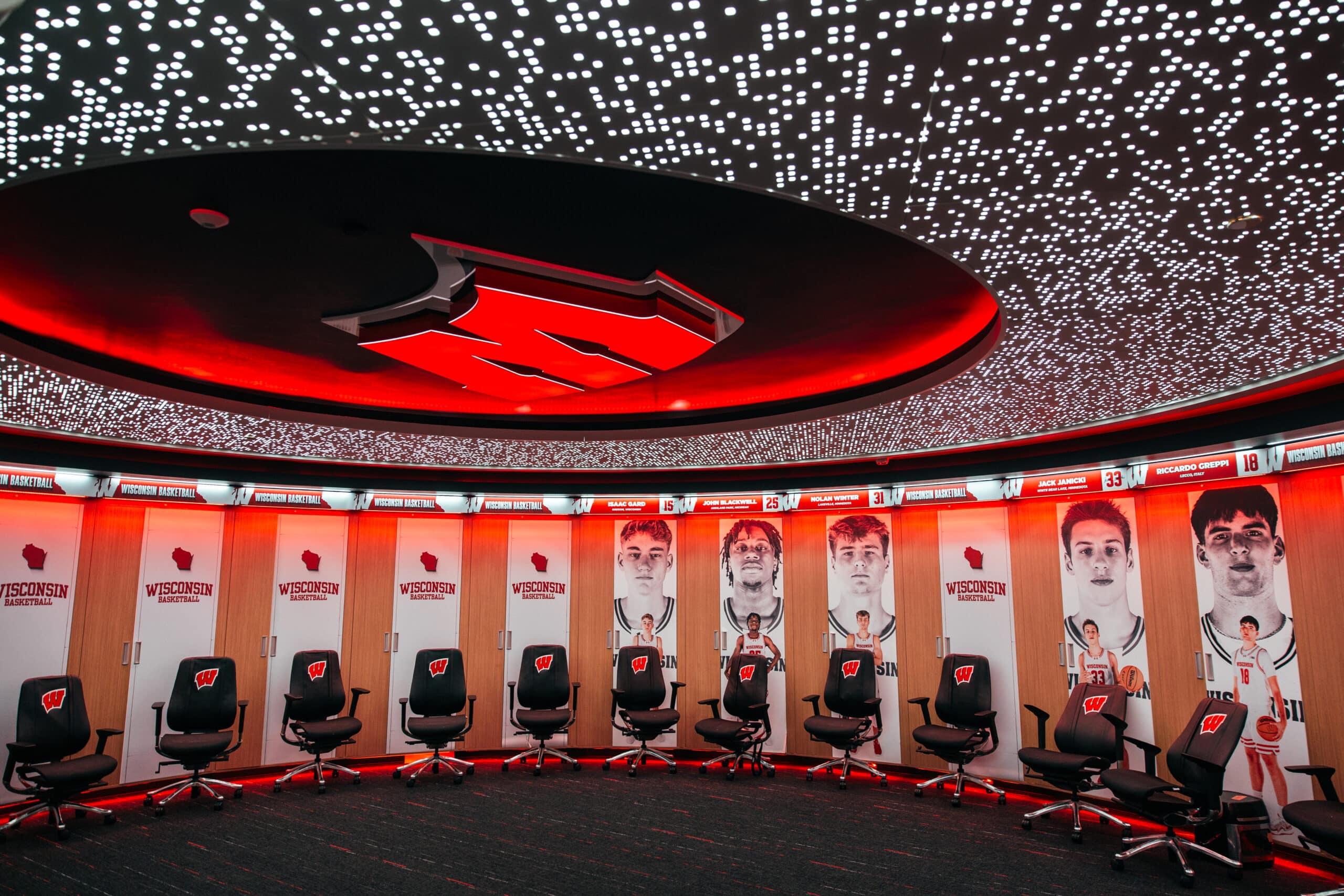
The gap between what your venue looks like and what it actually does is costing programs more than they realize.
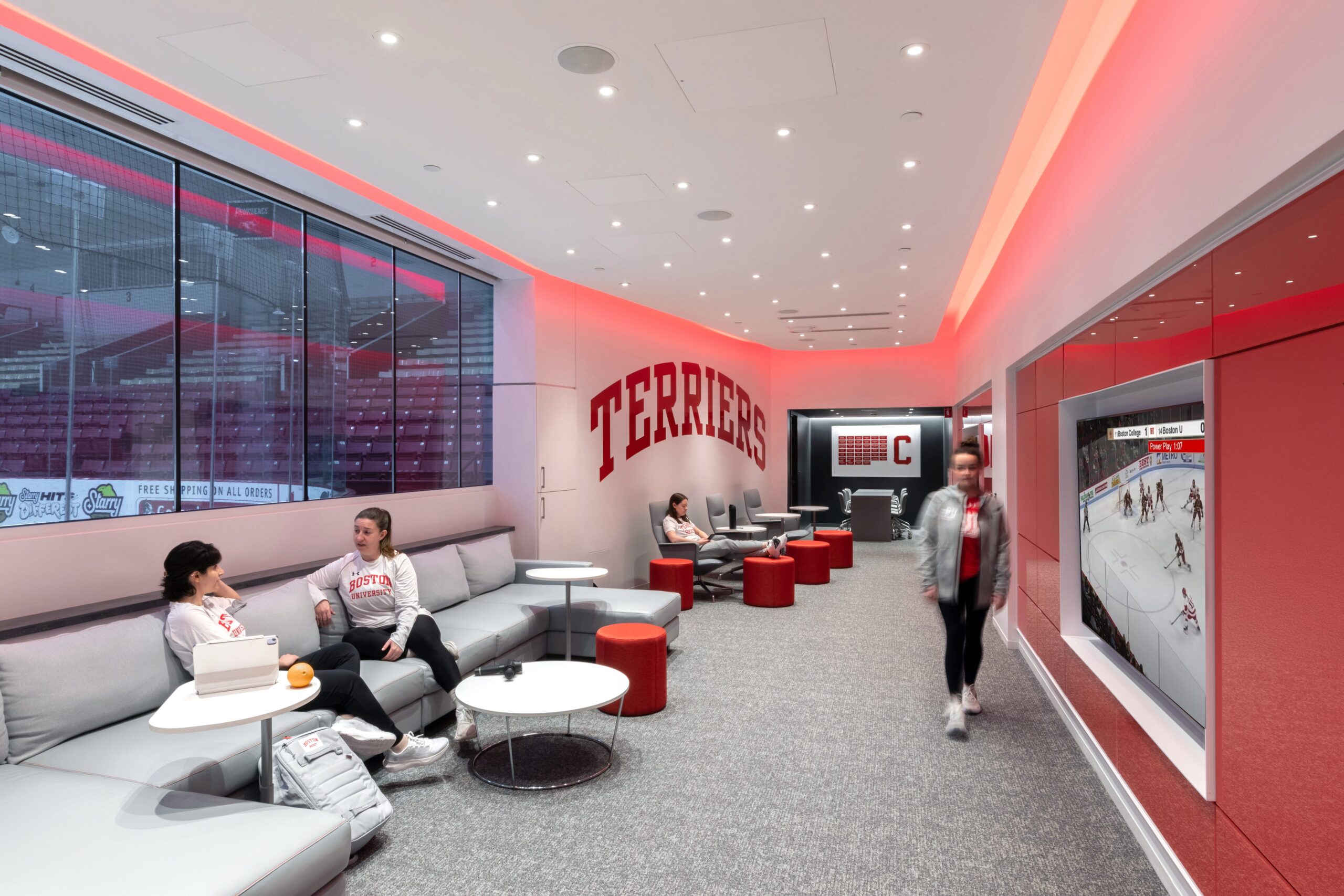
New Pressures from NIL, Donors, and Fans… But an Outdated Venue Strategy?
Athletic directors are being asked to do more with their venues than at any point in the history of college sports. NIL has fundamentally changed what a campus visit means. A recruit is no longer just evaluating a locker room or a weight room. Instead they are evaluating whether this program is going to build their brand, their future, their story. The physical environment either confirms that story or undermines it.
At the same time, major donors have more options for their philanthropy than ever before. The ask has gotten harder. The cultivation has to work harder. Are your donor hospitality spaces engineering a specific emotional experience? One that ties their investment to something felt, not just described? If not, you are leaving significant money on the table.
And fans? What about the fans? They are sitting on a broadcast-quality game experience from their couch. A 4K stream, multiple camera angles, real-time stats, climate control, their own food. Showing up to your venue has to be worth something the broadcast cannot provide. Right now, for a lot of programs, it is not worth the drive.
Three audiences. Three high-stakes decisions. One venue that needs to serve all of them simultaneously, and most venue strategies were not designed with any of this in mind.
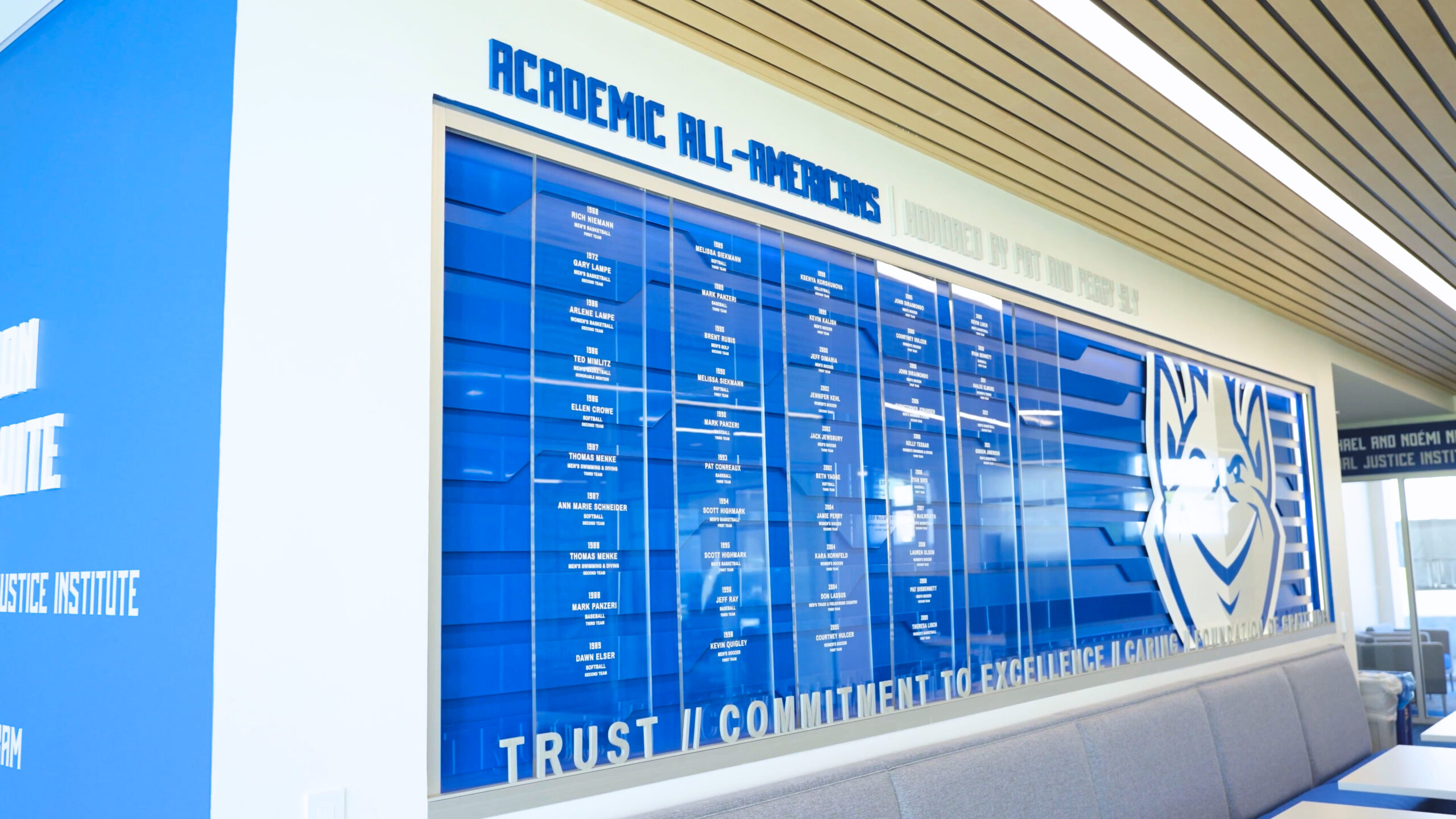
Defining the Real Job of Your Collegiate Venue: Create Feelings That Drive Decisions
When we work with programs on experience design, the conversation always comes back to the same framework: your venue needs to make people feel something they cannot feel anywhere else. Not see. Feel.
There is a meaningful difference between a space that is visually impressive and a space that is emotionally engineered. The first one gets photographed. The second one drives decisions.
For recruits, that decision is whether this program is the one. For donors, it is whether this investment is the one. For fans, it is whether being here in person; tonight, in traffic, with everything else going on in their lives… is worth it?
The programs pulling away from the competition right now are not necessarily outspending everyone else. They are out-thinking them. They are starting with what their audience needs to feel, not what their architects proposed to build.
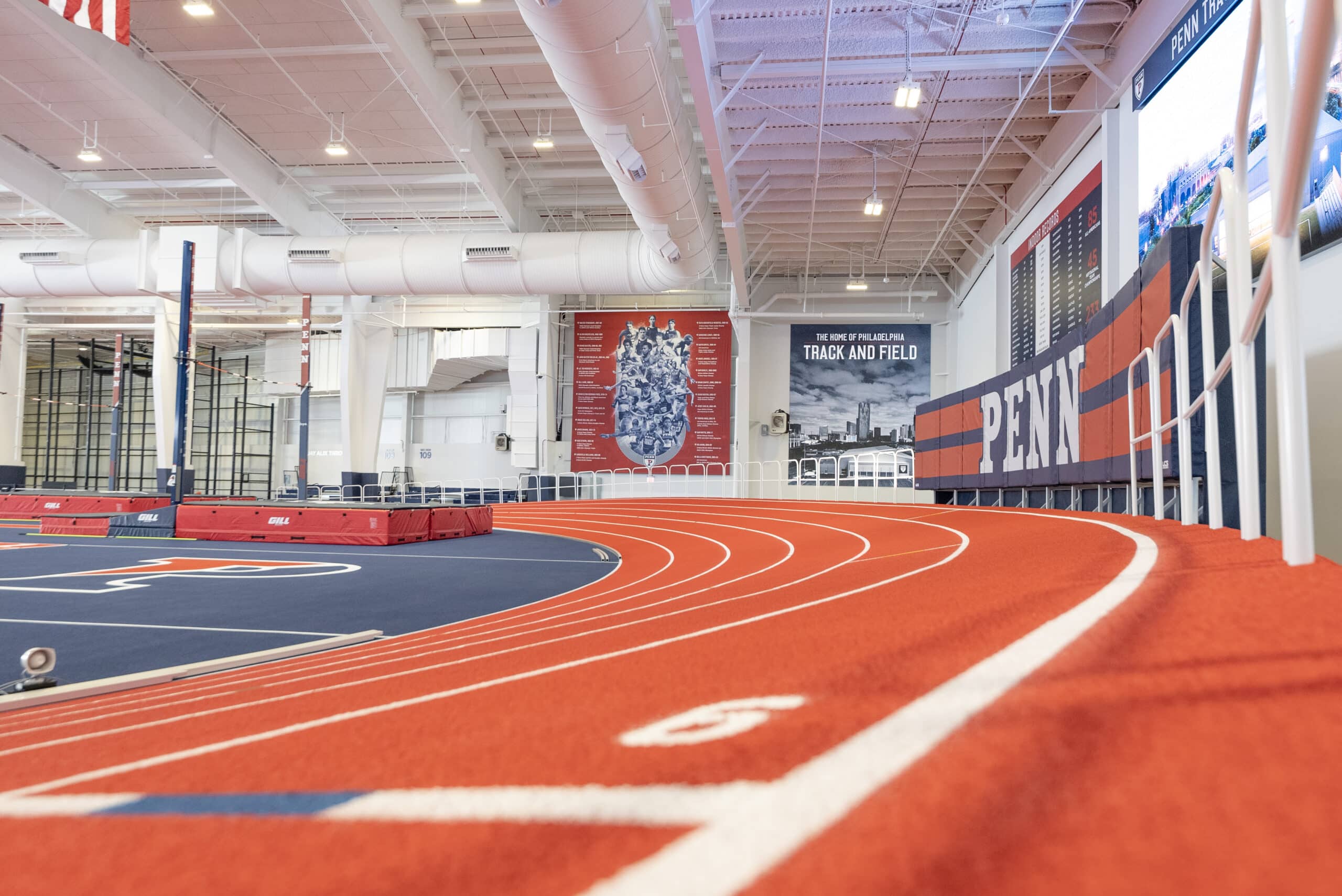
A space that is visually impressive gets photographed. A space that is emotionally engineered drives decisions.
How the Las Vegas Athletics Experience Center Made the Future Ballpark Feel Real
Let me give you a concrete example of what this looks like in practice.
When the Las Vegas Athletics were preparing to launch season ticket sales for their new ballpark, they faced a challenge that every program in a capital campaign knows well: asking people to invest in something that does not exist yet. Renderings and site plans rarely close that gap. They ask the audience to imagine their way to a yes.
We built something different: a 270-degree, 26.5-million-pixel immersive environment at the Athletics Experience Center. Nearly 20 feet deep, more than 13 feet tall, 19 feet wide. Prospective season ticket holders did not look at a rendering of their future ballpark. They stood inside it.
The moment I keep coming back to happened during an early session. A couple walked in together. The wife put her hand on her husband’s arm. They looked at each other. No words. They both already knew they were buying.
That is what a venue is supposed to do. Not describe an outcome. Produce one. That couple did not make a rational decision about ticket pricing in that moment. They had an emotional experience that made the decision for them. The environment closed the deal.
Scale that kind of intentionality across your recruiting suite, your donor club, your entry experience, your concourse design and you are no longer managing a facility. Congratulations, you are now running a persuasion environment.
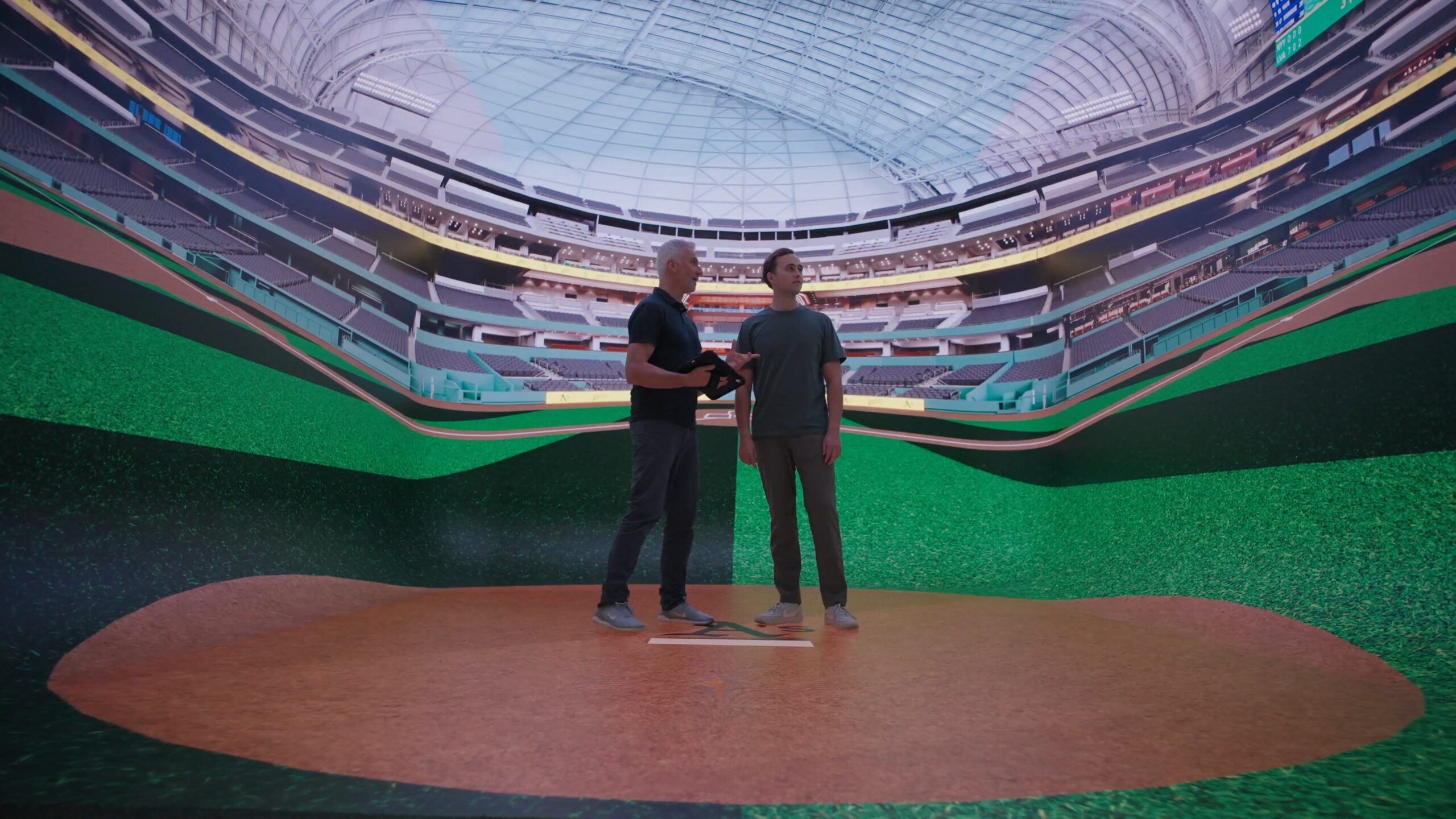
What Athletic Directors Should Do Now: Design Venues as Persuasion Environments
Your venue is already speaking. It is speaking to every recruit who walks through your doors, every donor you are cultivating, every fan making the calculation about whether to show up. The question is not whether the conversation is happening. It is whether you have designed what the venue is saying.
Most programs have not. They have designed what the venue looks like. They have invested in surfaces. They have not invested in outcomes.
Redefine what world-class means. The cost of construction is not the measure. The quality of the emotional response your venue reliably produces. That is the measure.
- How often does your recruiting space close the visit?
- How often does your donor environment deepen commitment rather than just acknowledge it?
- How often does your game-day experience create something people could not have stayed home for?
The programs answering those questions honestly (and then doing something about it!) are the ones building separation right now.
Redefine world-class. The cost of construction is not the measure. The quality of the emotional response your venue reliably produces — that is the measure.
Walk your own venue tomorrow morning. Early, before anyone else is in it. Move through it the way a 17-year-old recruit moves through it on their first visit. Move through it the way a major donor moves through it during a cultivation event. Ask yourself: if this space were the only thing representing this program, what decision would it drive?
If the answer makes you uncomfortable it’s okay. That discomfort is worth something. That is where the work begins.

Grace Johnson
Senior Client Engagement Manager | “The Commissioner”
Advent is a Nashville-based experience creation firm specializing in digital storytelling for sports venues, universities, and athletic facilities. Get in contact to learn more about how similar storytelling and technology can inspire and drive value for your organization.