

Pro Sports
Sponsorship Activation
Logo Placement Is Tablestakes: How Pro Sports Organizations Are Unlocking 365-Day Sponsorship Value
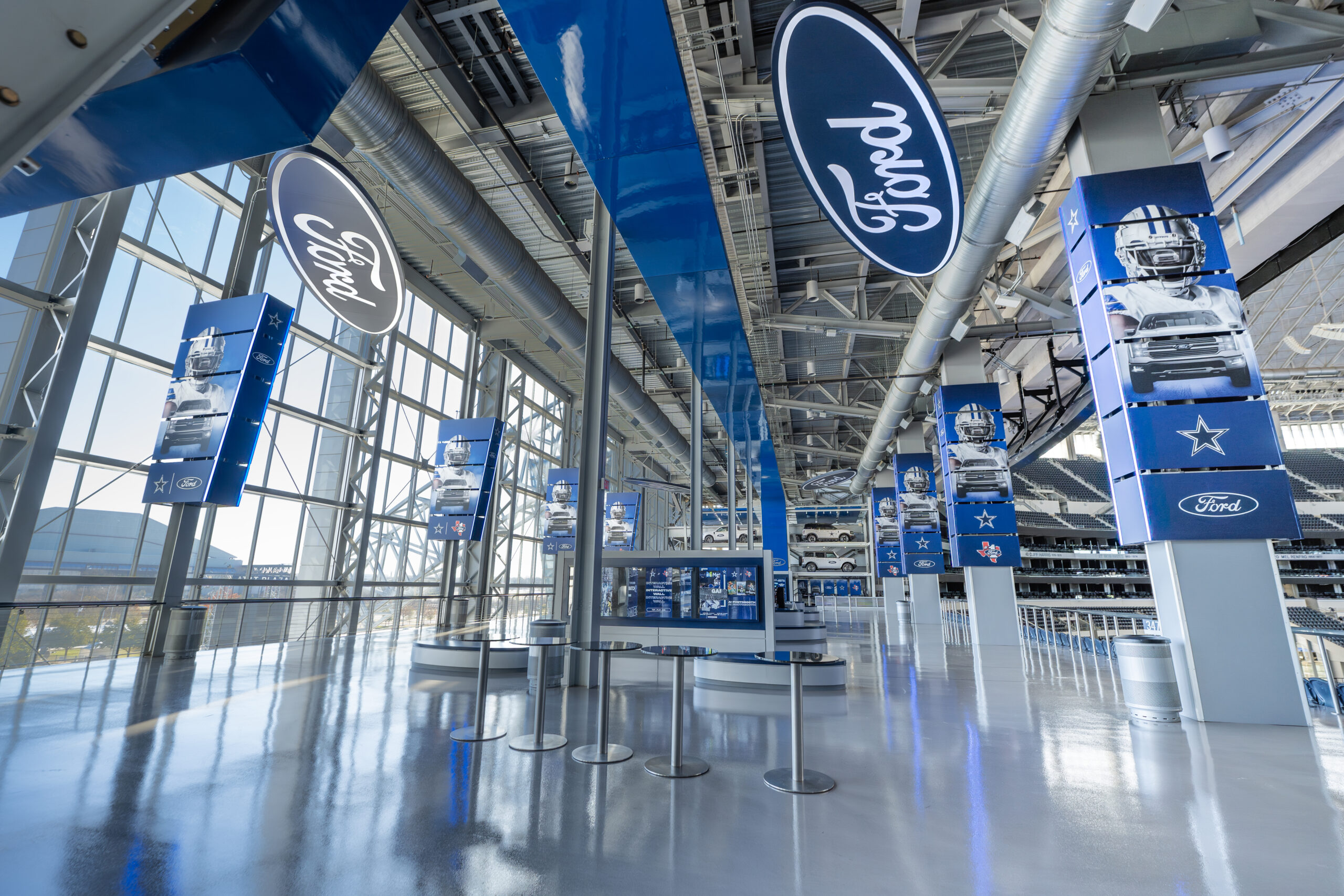
Professional sports sponsorships are undergoing a massive shift. Ever since attending the National Sports Forum back in February, I haven’t been able to stop thinking about a single line from renowned Legends Global executive Doug Thornton: “Logo placement is tablestakes.”
Thornton was calling out an escalating tension across the industry. Fan expectations for the in-venue experience are hitting all-time highs. To fund these multi-million dollar venue upgrades, teams are leaning on corporate partners more than ever.
The problem is that sponsor expectations are shifting just as fast. Slapping a logo on a concourse wall or popping up a branded tent on game day doesn’t move the needle as far anymore.
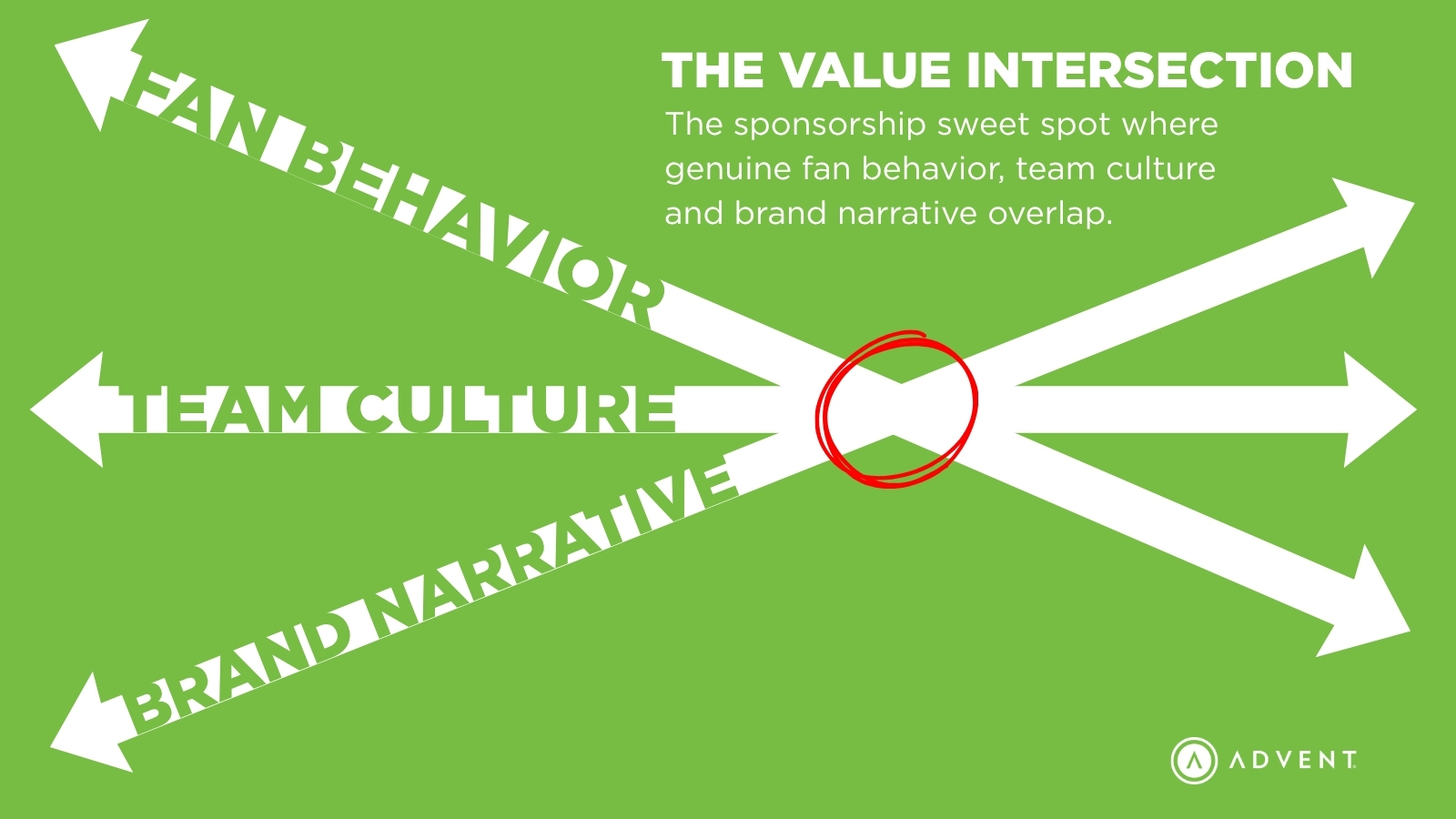
The real opportunity (the kind that actually generates year-round revenue) lies in building anchor experiences at what we call the value intersection: that sweet spot where team culture, brand narrative, and genuine fan behavior overlap.
Uncovering this intersection comes from our deep StoryMining process where we cut through rehearsed corporate speak. We ask pro sports leaders, “Why do fans REALLY care about this franchise?” and Sponsors “Where does your brand fit into the sacred rituals of game day?“ We trace those emotional patterns until the team’s identity and the brand’s core purpose meet—creating the blueprint for a year-round anchor destination in the venue.
From One-Off Sponsor Impressions to Integrated, Year-Round Value
Managing a stadium balance sheet is a high-wire act. Teams need sponsor dollars to fund elite stadium upgrades, yet execution often defaults to static signs or vinyl wraps taped over concourse drywall.
Think about the standard sponsor touchpoints across major leagues today: a tiny logo slapped onto the back of a stadium seat that you glance at once before sitting down, a branded logo on a paper concession cup that gets tossed in the trash by the second quarter, or a quick 15-second graphic flashed across an LED board during a timeout while fans are looking at their phones.
Having spent years on the team side with the Washington Nationals selling non-gameday events, I’ve seen firsthand how intentionality dictates a building’s energy. When sponsor touchpoints feel transactional or disposable, fans tune them out completely. They don’t just fail to build brand equity, they drain energy from the overall venue atmosphere.
On the flip side, intentional integration transforms standard venue real estate into a revenue driver that operates far beyond the three-hour game window.
At Advent, we blend research, custom tech, and narrative design to co-create environments where franchise history, corporate goals, and fan passions merge. Done right, standard ballpark real estate morphs into an indispensable year-round destination.
So what does that look like in practice? After working on these kinds of experiences, I’ve found there are three things that consistently separate great sponsor experience design from the rest.
1.Map the Value Intersection Before Touching a Sketchpad
Spend the time to truly understand where the brand stories actually overlap with the target audience. A successful integration must serve three audiences simultaneously: the team, the sponsor, and the fan.
Look at Fluor Field, home of the Greenville Drive. Rather than handing sponsor Milliken a standard static sign, we looked at their deep regional roots in textile innovation and their urgent need to drive local talent recruitment. But the fans weren’t thinking about that when they came through the plaza gates. They were thinking about who was on the starting line up. They were thinking whether they were going to order a hot dog or a hamburger (or both). They were thinking about a whole list of things that didn’t have to do with Milliken’s recruitment efforts. Greenville Drive understood that, and they understood their own brand as a connector back to the community.
The result was Milliken Plaza—an open community destination built around an interactive pitching experience. Fans step up to test their arm, pitch a strike, and immediately receive a customized, shareable digital baseball card sent straight to their phones.
By framing the activation around fan participation, the space gives families a memorable game-day takeaway while providing Milliken with a natural, organic platform to capture data, showcase its community impact, and connect with potential future talent.
2. Design Sponsorship Spaces for Long-Term Value and Year-Round Impact
A thoughtful experience design multiplies a sponsor’s reach and generates continuous brand impressions, organic data capture, and deeper customer affinity during non-game days, away-game watch parties, concerts, and community events 365 days a year.
Look at the Miller Lite House at AT&T Stadium. Rather than building a standard bar tucked along a main walkway, the space was engineered as an 87,000-square-foot outdoor tailgating pavilion positioned right outside the stadium gates.
The design centers entirely on authentic Cowboys tailgating rituals and Miller Lite’s core brand ethos, featuring massive LED screens, walk-up bars, custom outdoor games, Instagrammable moments, and dedicated stages for live music.
And the sponsorship ROI speaks for itself: the space drove an 80% lift in beer sales while giving Cowboys fans a permanent home for pre-game experiences that continues to attract thousands of fans for offseason events and away-game watch parties throughout the year.
3. Respect the Fan’s Space, Don’t Distract From It
Sponsorship design should lean into natural fan behavior, not compete against it, including technology. The best integrations feel like upgrades to the fan journey that are actively sought out.
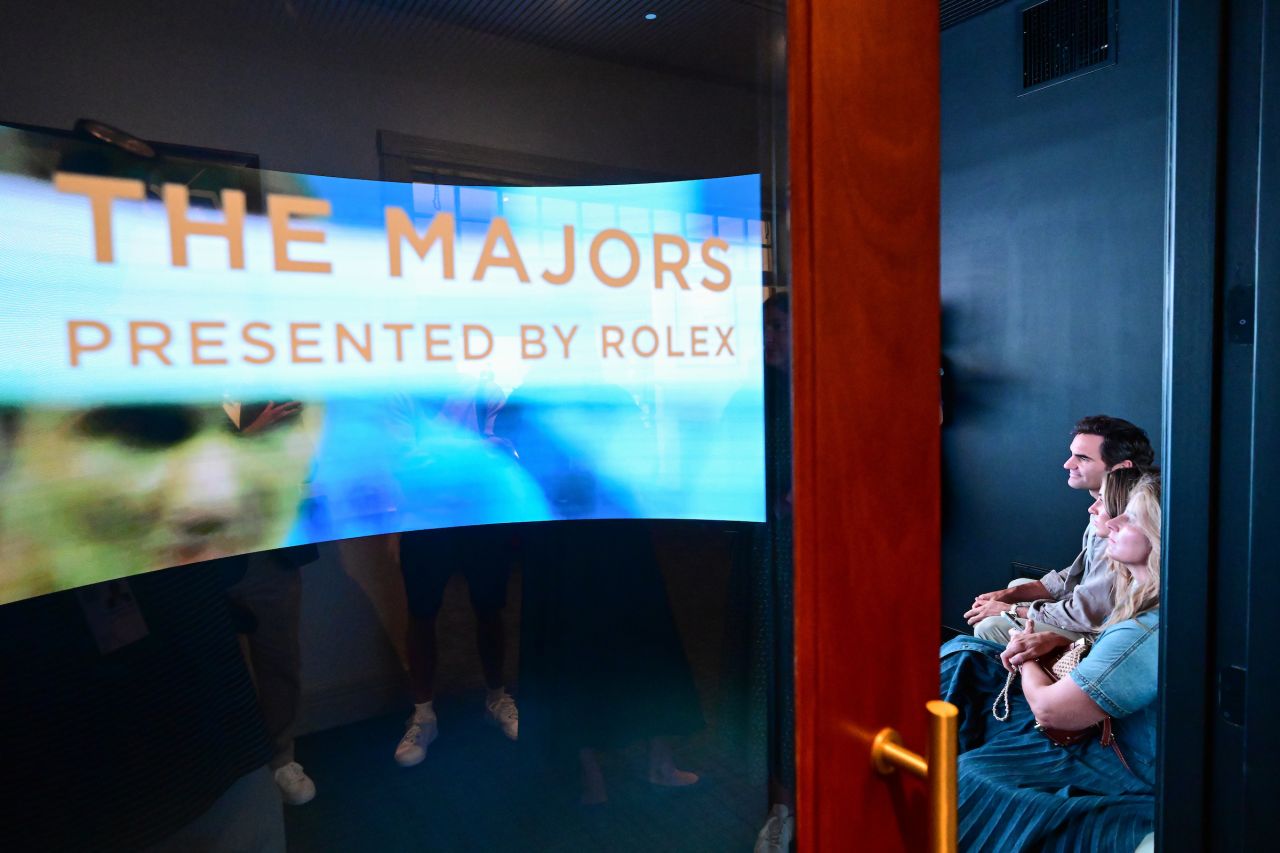
Consider the Rolex partnership at the International Tennis Hall of Fame. Rather than overwhelming historic grounds with transactional digital screens or disruptive branding, “The Majors” experience leans into the natural curiosity of fans exploring the museum.
With icons like Roger Federer being inducted, you can see just how deeply and organically that brand relationship runs. By blending technology with timeless experience design, Rolex delivers an intuitive visitor journey while naturally deepening its association with precision, heritage, and excellence—without ever breaking the sacred atmosphere of a Hall of Fame.
The Advent Takeaway
High-impact sports sponsorships are built through intentional experience design. Logos and game-day activations will always have their place for initiative-specific goals and quick impact on attention, but as fan expectations continue to climb, funding the next generation of venues requires thinking bigger.
By uniting experience design, custom technology, and authentic narrative alignment, Advent helps brands and teams find their unique value intersection—creating experiences that complement the partnership and drive brand engagement 365 days a year.

Written by Kat Fincher, Senior Client Engagement Manager
For over 25 years, Advent has been creating emotionally resonant experiences for leading brands including AT&T, Fanatics, the Dallas Cowboys, and Stanford University. Our proprietary StoryMining methodology ensures that every project starts with the story, not the technology.